Seasons
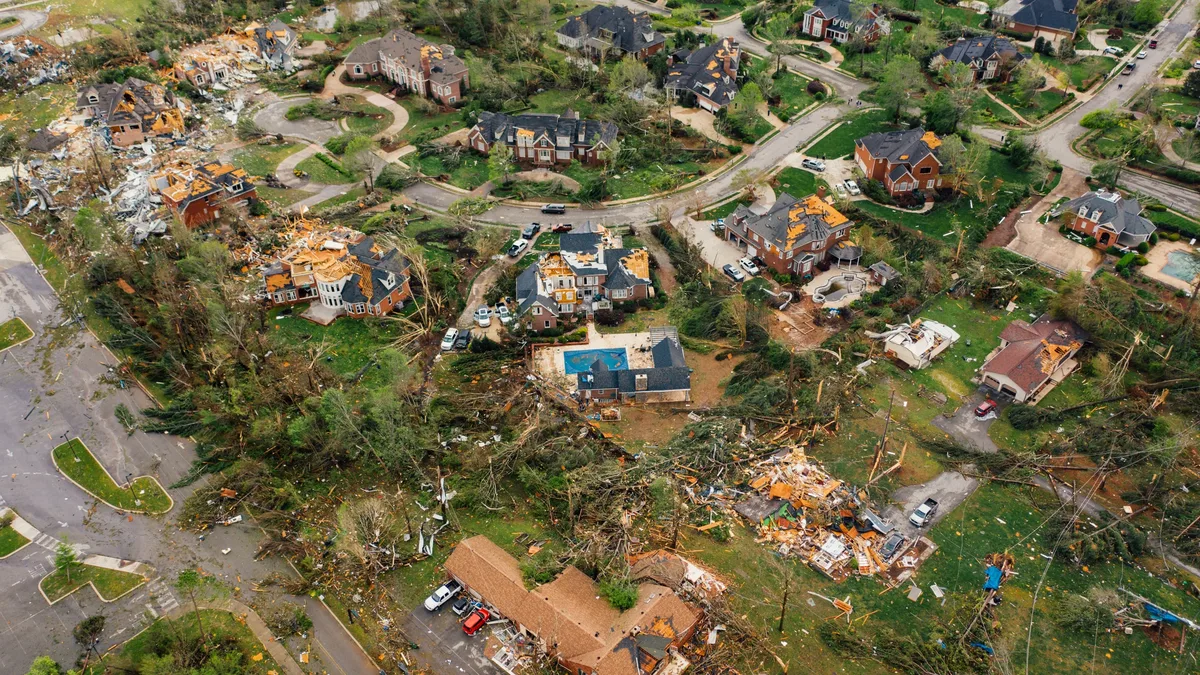
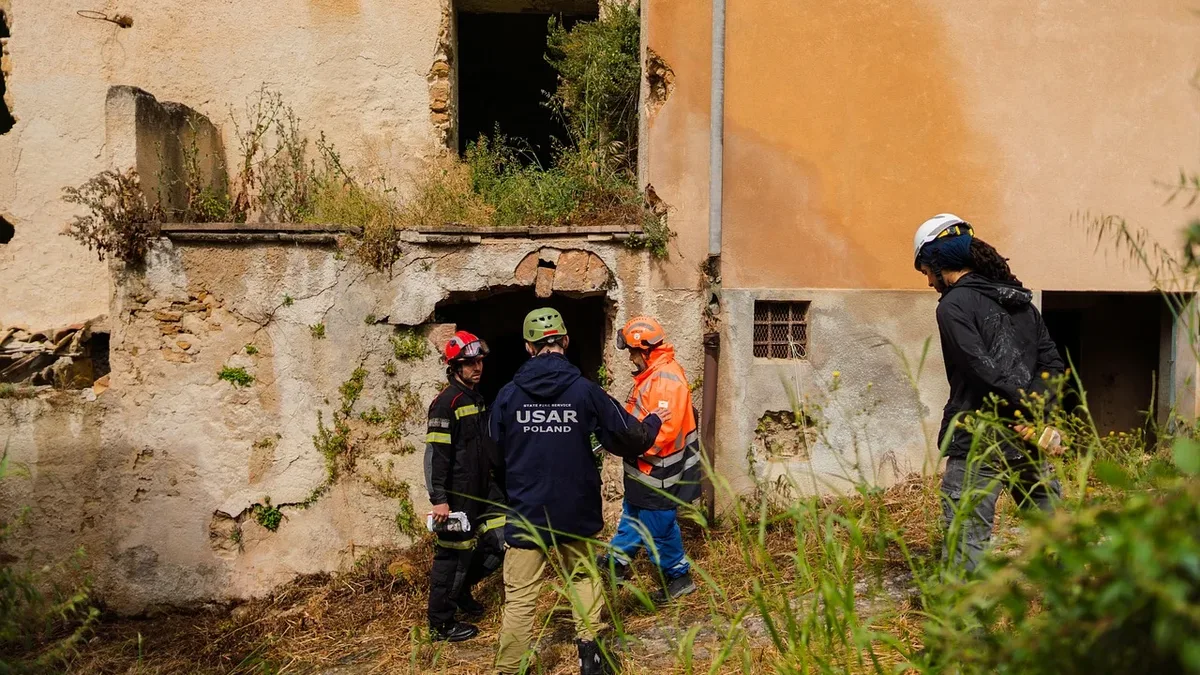
Tornado damages school and homes in Marsala, Italy
A tornado struck western Sicily, damaging a school and homes and injuring several people, while Hurricane Simon's offshore track avoided triggering a major catastrophe bond payout.
Hurricane Simon intensified to a Category 4 storm with 240 km/h winds as it approached Mexico's west-central coast on October 10, 2026, prompting widespread warnings for life-threatening flooding, storm surge, and mudslides.
A tornado struck western Sicily, damaging a school and homes and injuring several people, while Hurricane Simon's offshore track avoided triggering a major catastrophe bond payout.
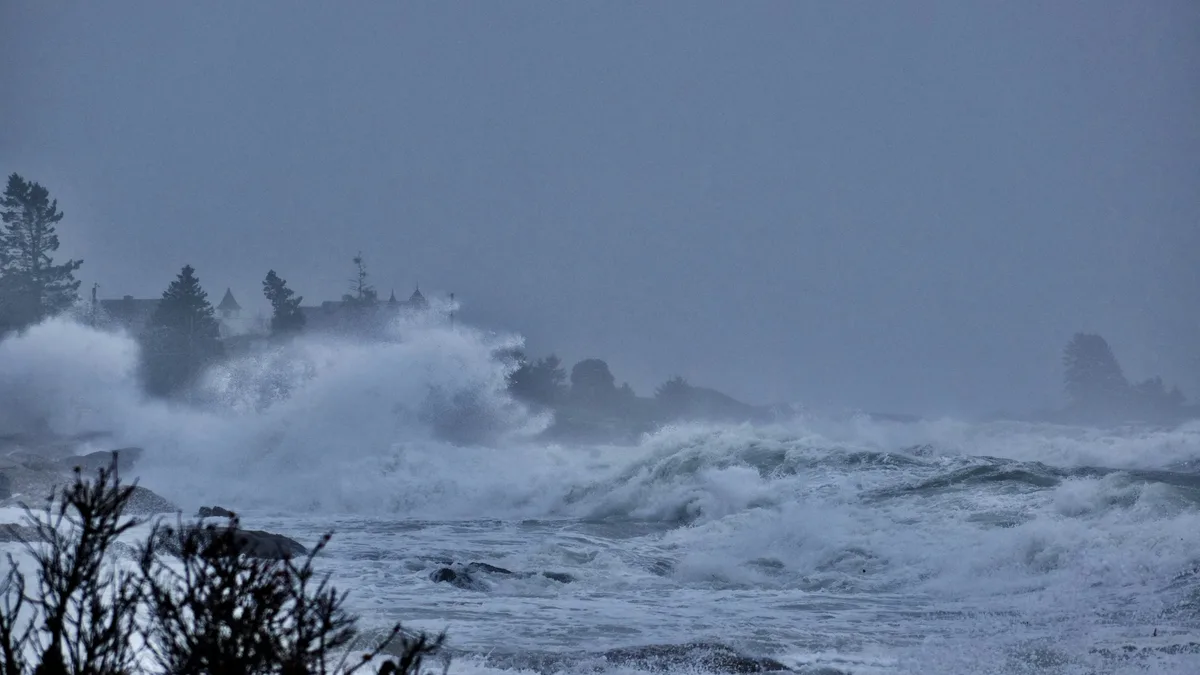
Hurricane Isaias, with 85 mph winds, is forecast to make landfall along the northern U.S. Gulf Coast late Friday or early Saturday, bringing life-threatening storm surge and heavy rain.
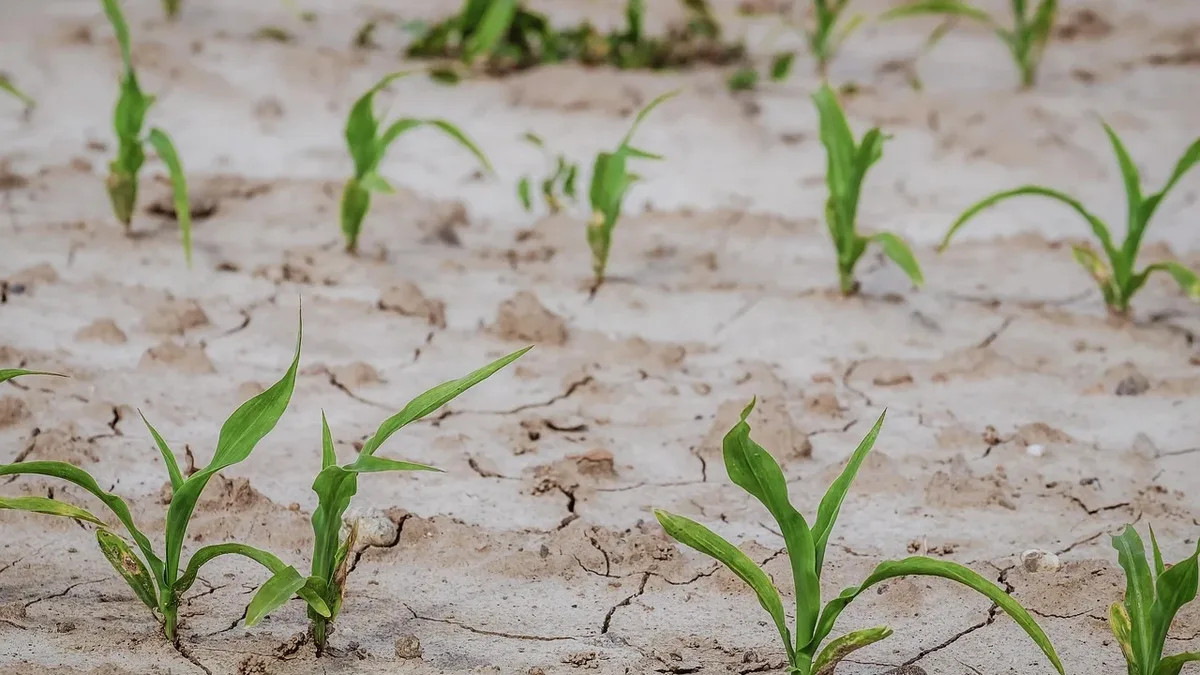
The Texas Windstorm Insurance Association forecasts needing $2.05 billion in reinsurance and catastrophe bonds next year, a drop of over 10%, driven by growing internal reserves and modest exposure growth.
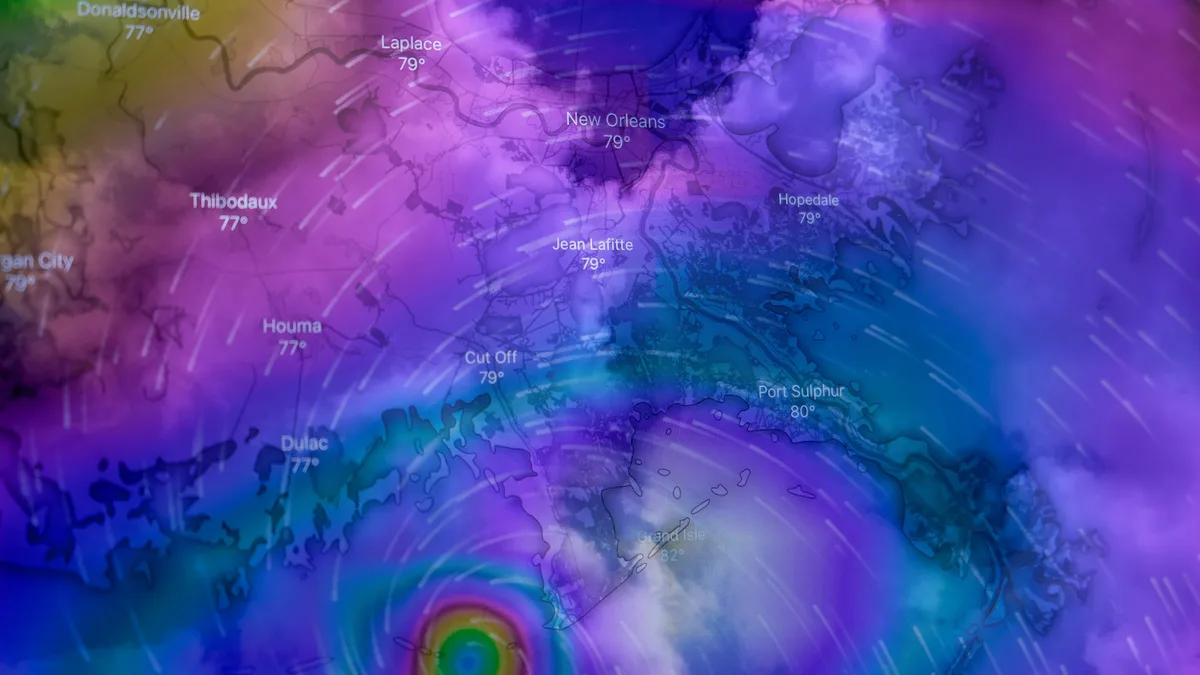
Hurricane and storm surge watches are in effect for the northern Gulf Coast as Tropical Storm Isaias, poised to become the season's first hurricane, moves toward a late Friday landfall with threats of life-threatening inundation and damaging winds.
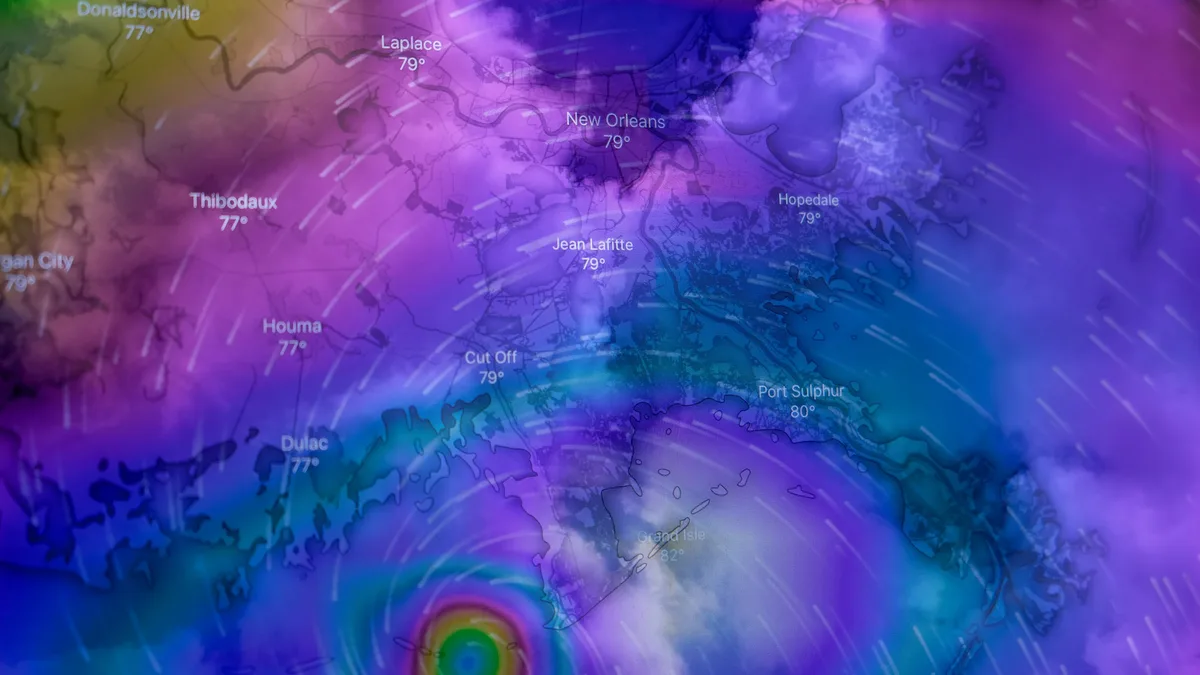
Tropical Storm Isaias formed in the Gulf of Mexico on October 7, 2026, and is forecast to rapidly intensify into a hurricane, bringing heavy rain and dangerous winds to the northern Gulf Coast by Friday.
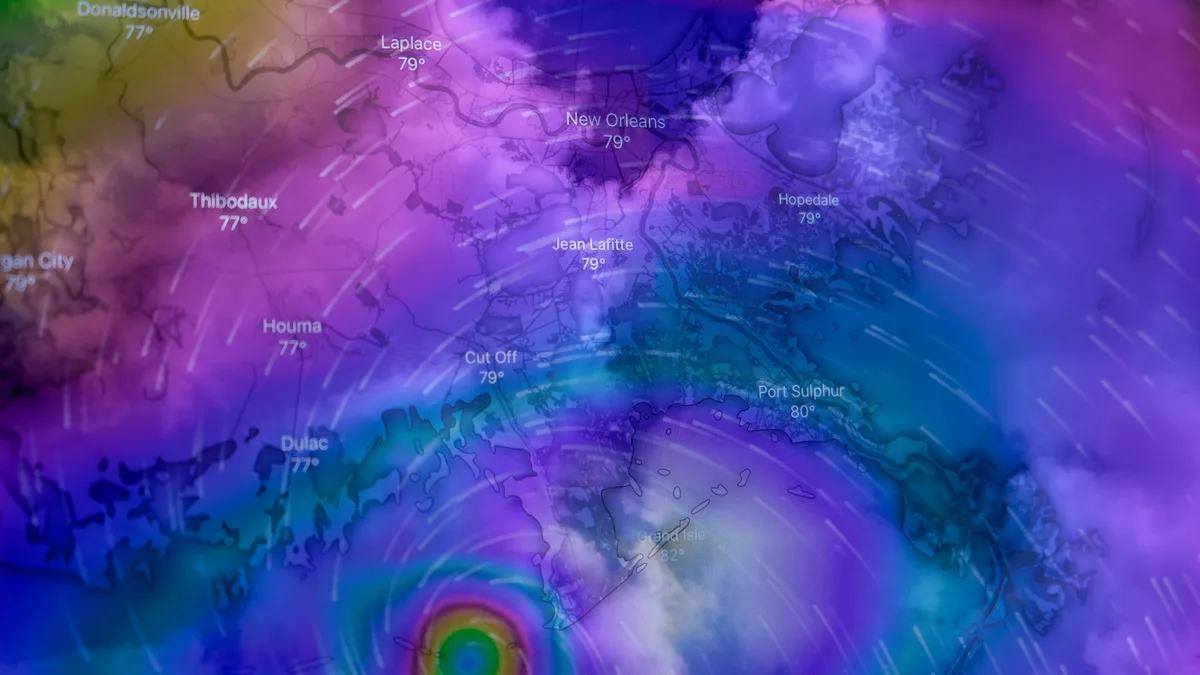
Tropical Depression Nine has formed in the Gulf of Mexico and is forecast to strengthen into Hurricane Isaias.
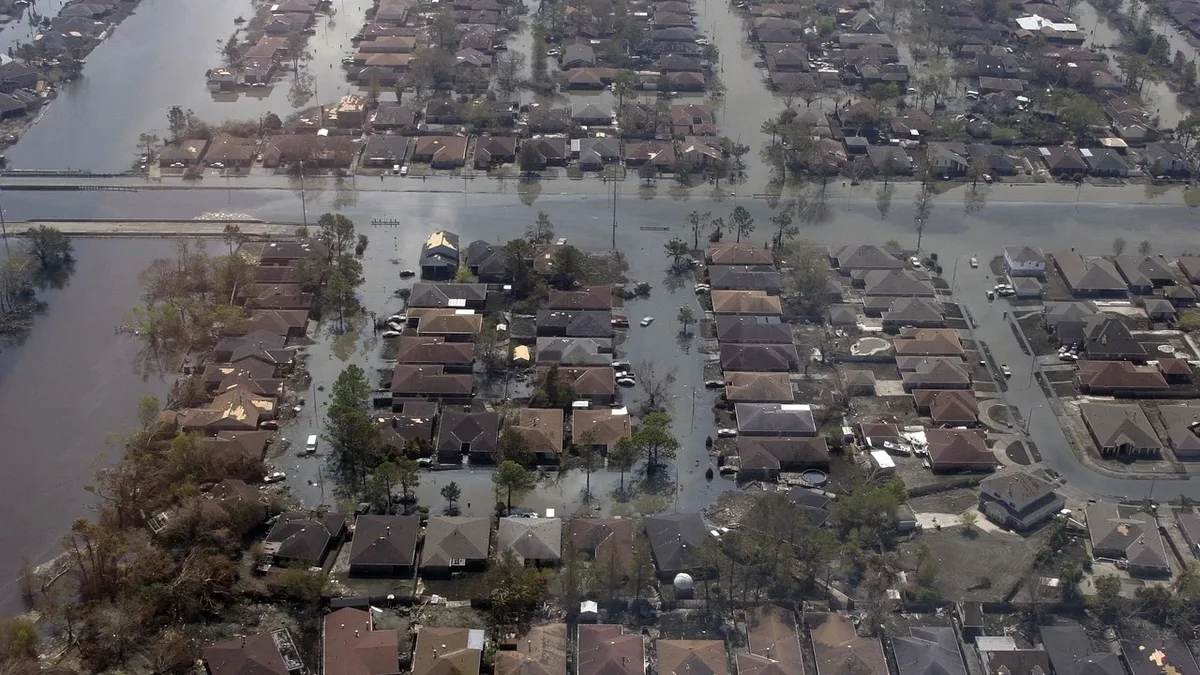
A Flood Watch is in effect for northeastern Florida and Camden County, Georgia, from 10:00 to 20:00 EDT on October 6, 2026, due to forecast rainfall of 76-127 mm (3-5 inches). The threat combines a slow-moving front and a developing tropical disturbance in the Gulf of Mexico.
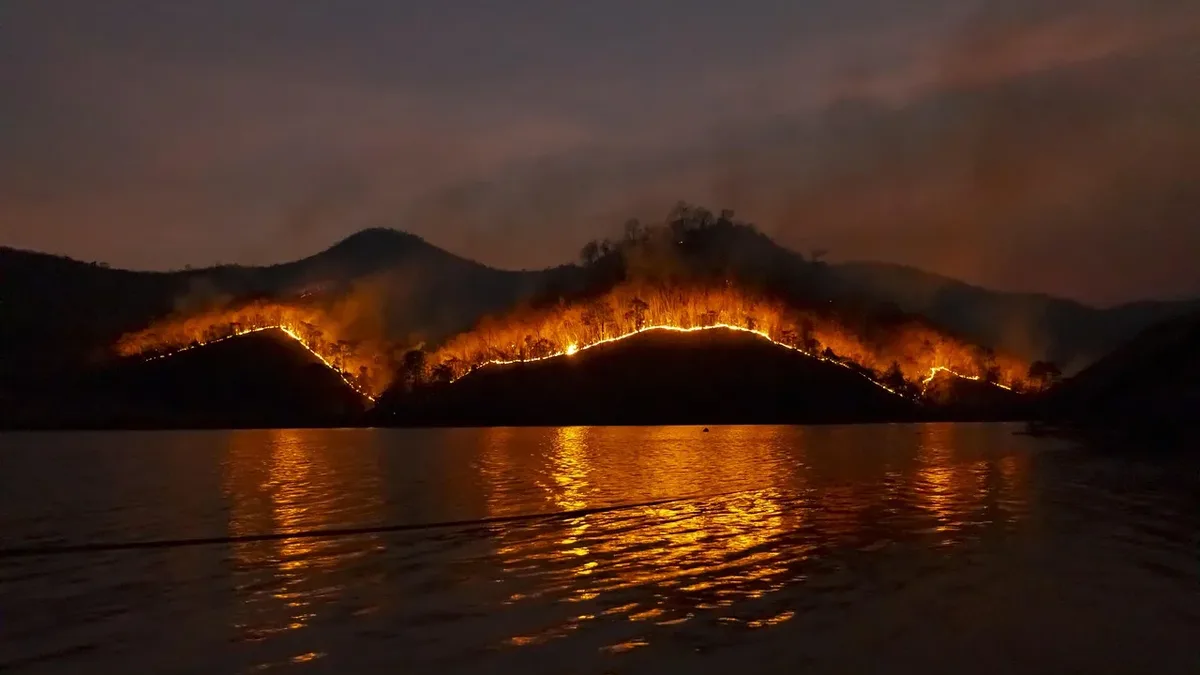
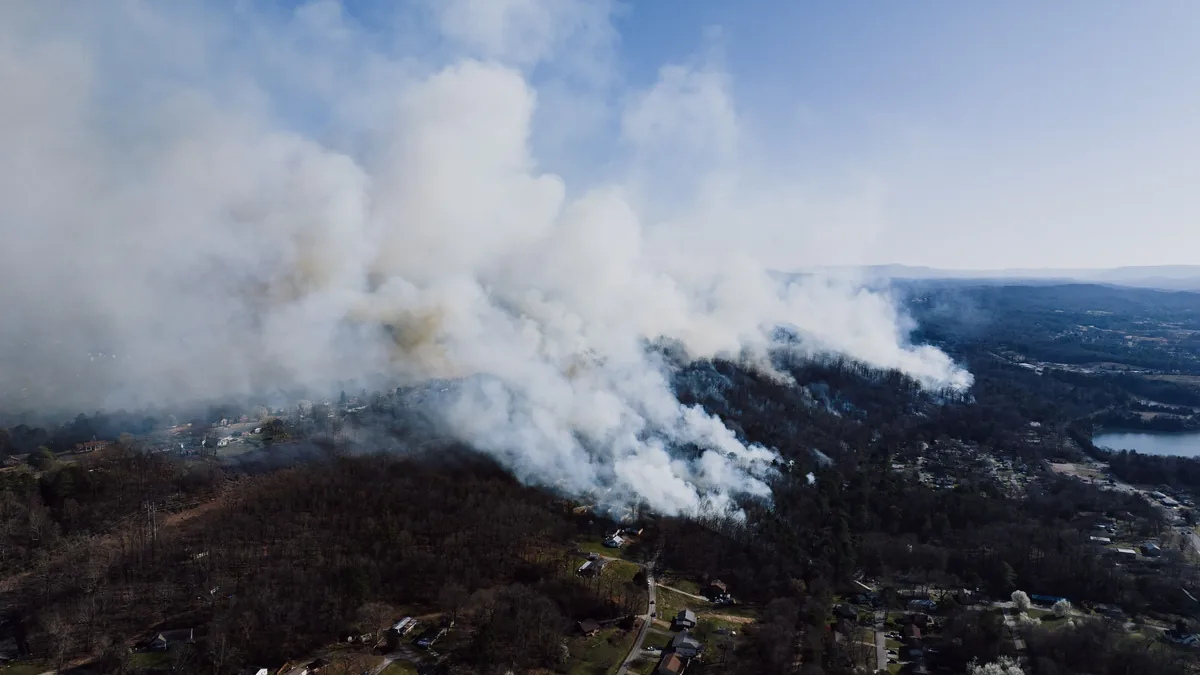
The Bouquet Fire in the Angeles National Forest grew from 20 to over 1,000 acres in under four hours on October 3, driven by extreme heat and wind.
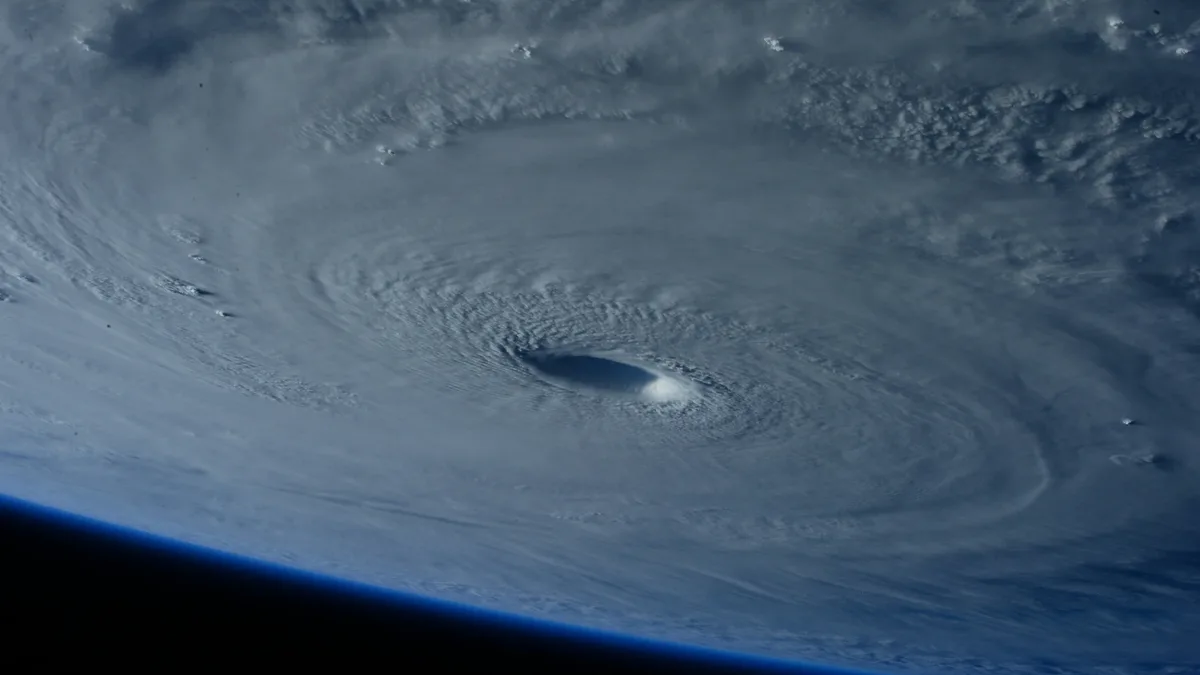
Hurricane Nolo is forecast to cross the International Date Line on October 4, 2026, with 195 km/h winds.

An anomalous ridge drives a prolonged, intense heat wave across central and southern California.
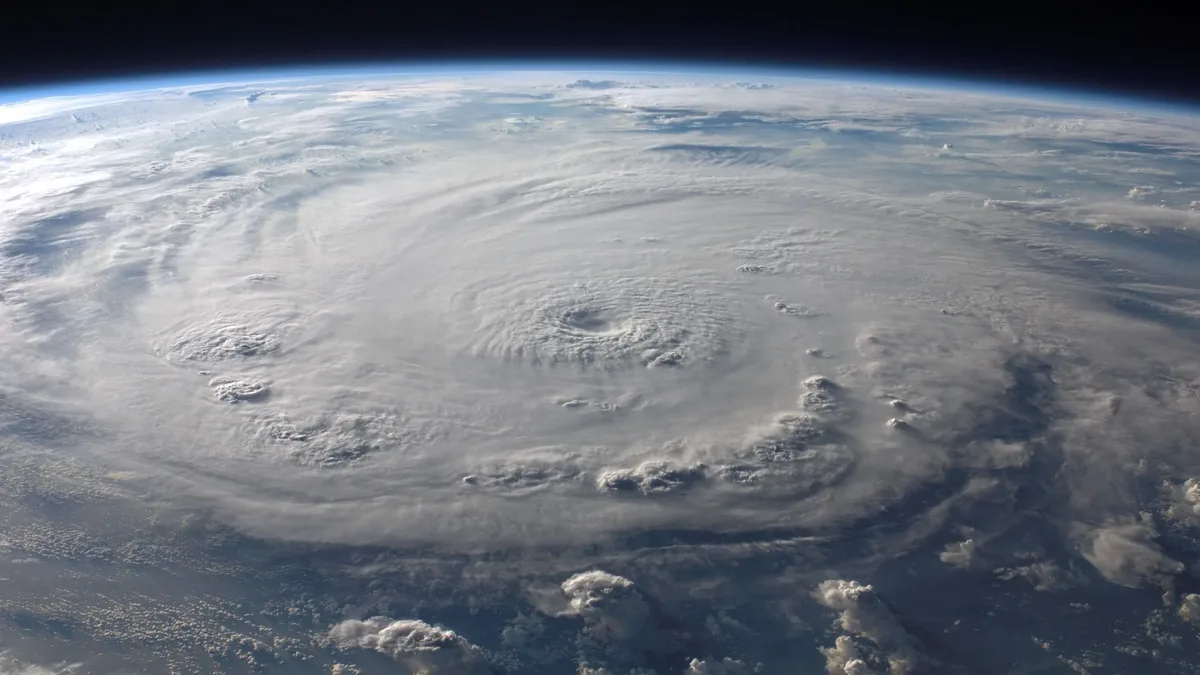
A coronal mass ejection from a September 28 solar eruption is expected to glance Earth on October 2, 2026.
A federal appeals court has ruled that Ross Intelligence infringed Thomson Reuters' copyright by using Westlaw headnotes to train its AI legal search tool.


Accessible evacuation for disabled... · Building evacuation during an emergency

The method insurers use to value a... · Determines the amount of money a...

Tsunami and earthquake · Subduction zone megathrust earthquake
Alert Systems · To notify a population of an imminent or...

1881 · Washington, D.C., United States
No. Fault and Flood reports on hazards and events after they are covered elsewhere, and it carries no alerts, sirens or live instructions. In an emergency, your local authorities and the national warning systems are the only sources to act on.
Hazards holds the type of event, Seasons follows the recurring calendar of them, Response covers what agencies and insurers did afterwards, Preparedness covers published guidance, and Regions groups it geographically across North America. News carries all of it in the order it landed, and a single event usually turns up under both a hazard and a region.
From named news outlets, agency statements and scientific bodies, summarised with the source credited and linked in every article. Casualty and damage figures belong to the body that published them, and they change as the event develops.
No. Preparedness reports guidance published by named agencies and organisations, attributed to them, rather than offering a plan of our own. Follow the linked original before you rely on any of it.
No individual is credited. Pieces are written with automated assistance and name the source publication in place of an author, and nobody here is presented as an emergency manager or a scientist.
None. No cookies, no analytics, no advertising, and no fonts or images fetched from elsewhere, so no third party learns that you visited.